
Understanding gambling addiction and its impact on mental health
What is Gambling Addiction?
Gambling addiction, also known as compulsive gambling, is a behavioral disorder that leads individuals to repeatedly engage in gambling activities despite experiencing negative consequences. This addiction can manifest in various forms, such as betting on sports, playing casino games, or participating in online gambling. The thrill of winning can be irresistible, prompting individuals to chase losses and spend beyond their means, which exacerbates their financial and emotional turmoil. For those seeking more information, resources can be found at https://thewaitingroom.co.nz/.

The psychological aspect of gambling addiction is complex, as it often intertwines with underlying mental health issues. Many individuals with gambling problems may also struggle with anxiety, depression, or substance abuse. This interconnection creates a vicious cycle where gambling serves as a temporary escape from emotional distress, ultimately leading to deeper issues and worsening mental health.
The Symptoms and Signs of Gambling Addiction
Recognizing gambling addiction can be challenging, as the symptoms may vary from person to person. Common signs include the inability to stop gambling despite negative consequences, lying about gambling habits, and neglecting responsibilities in favor of gambling activities. These behaviors often lead to significant personal and financial problems, affecting not only the individual but also their loved ones. Many of these individuals utilize different strategies for winning to regain control of their lives.
Furthermore, individuals may experience emotional changes such as irritability, restlessness, or anxiety when attempting to cut back on gambling. The compulsive need to gamble can create a sense of desperation, pushing individuals to seek out ways to continue their gambling habits, often at the expense of their health and relationships.
The Impact of Gambling Addiction on Mental Health
The effects of gambling addiction on mental health can be profound and far-reaching. Individuals may experience heightened levels of stress, anxiety, and depression as they grapple with the financial and emotional fallout of their gambling behaviors. This mental strain can lead to feelings of hopelessness and despair, increasing the risk of suicidal thoughts or behaviors.
Moreover, the stigma surrounding gambling addiction often prevents individuals from seeking help. The fear of judgment or misunderstanding can exacerbate feelings of isolation and shame, further deteriorating mental health. It is essential to address these mental health issues in a compassionate and understanding manner to help individuals regain control over their lives.
Strategies for Overcoming Gambling Addiction
Overcoming gambling addiction requires a multifaceted approach that includes professional help, support groups, and self-help strategies. Therapy, particularly cognitive-behavioral therapy, can be effective in addressing the underlying issues contributing to the addiction. Treatment plans often include identifying triggers, developing coping strategies, and improving emotional regulation.
Additionally, support groups such as Gamblers Anonymous provide a safe environment for individuals to share their experiences and receive encouragement from others facing similar challenges. These support systems can foster a sense of community, reducing feelings of isolation and promoting accountability in the recovery process.
Resources for Responsible Gambling
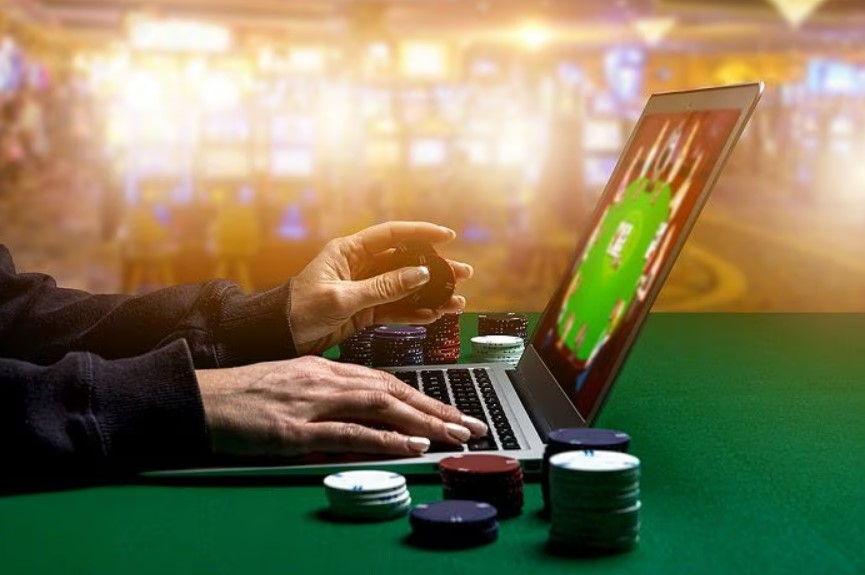
For individuals seeking to enjoy gambling while maintaining their mental health, it is essential to engage in responsible gambling practices. This includes setting limits on time and money spent, recognizing personal triggers, and being aware of the signs of problematic gambling behavior. Various organizations offer resources and support for responsible gambling, empowering individuals to make informed decisions.
Educating oneself about the potential risks and impacts of gambling can also aid in developing a healthier relationship with this activity. Tools and resources are available online, providing guidance for those looking to balance their love for gambling with the need for mental well-being.

